From Parlour Pastime to Personal Hobby: A Short History of Leisure
The history of leisure traces how household pastimes and public amusements made room for personal hobbies, helping you choose a form of free time that fits.
Why can a hobby feel deeply personal even when you learned it from someone else? The history of leisure offers a useful answer: across different periods, recreation took shape around household life, public gatherings, organized entertainment, and eventually interests people could pursue on their own schedules. These forms overlapped; none simply replaced the others.
Household pastimes
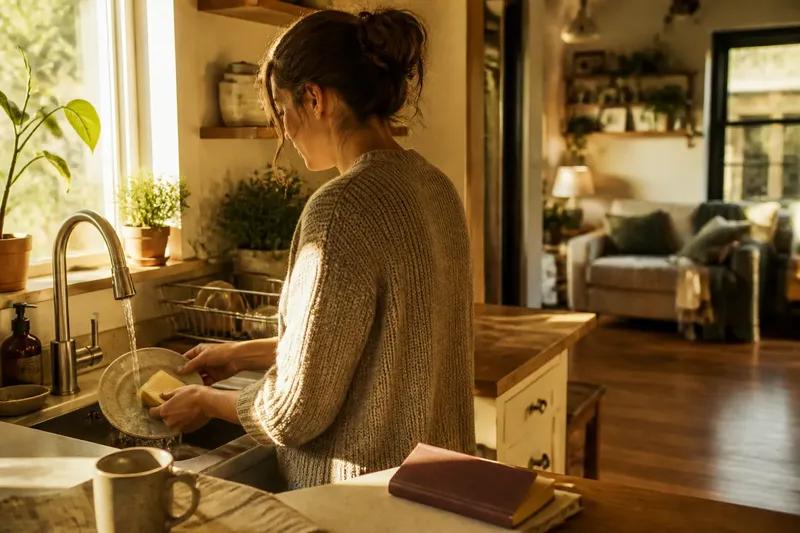
Before modern leisure industries and widespread personal devices, recreation often happened close to home or within a local community. People played games, made music, told stories, read aloud, or worked with their hands in settings shaped by household resources and social expectations.
That description is a broad sketch, not a claim that everyone shared one domestic routine. Region, class, age, gender, occupation, and access to materials all affected who had free time and what they could do with it. A parlour may suggest a particular kind of home, but many households had no such room.
Shared activities could make participation easier: a game needed other players, a song could be taught by someone who knew it, and tools or materials might be used by several people. Yet a pastime beside household work could be difficult to separate from obligation. Sewing, gardening, and music-making might be enjoyable, useful, expected, or several of these at once.
Public amusements
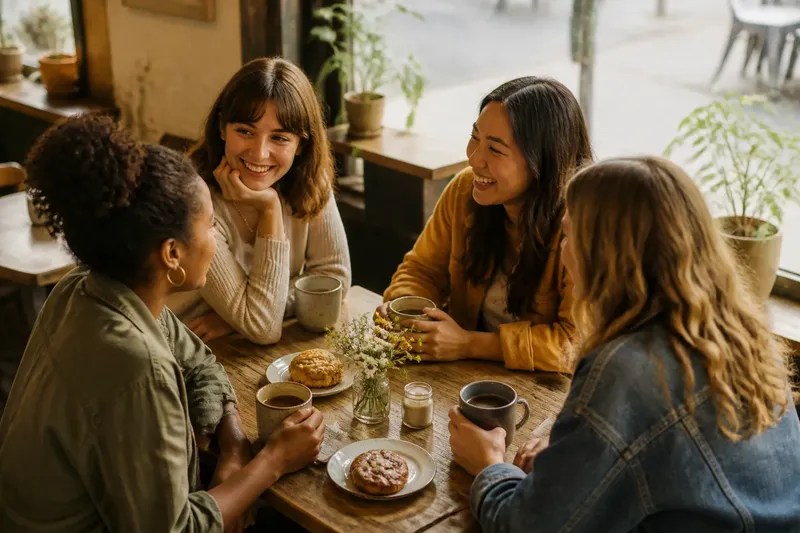
As towns and cities expanded and transport and commercial entertainment developed over time, leisure also took place in venues beyond the home. The specific opportunities differed by place and period, but theaters, public gardens, sporting events, clubs, and other gathering places offered ways to spend time with people outside one’s household.
These changes did not grant equal access to everyone, nor did they make domestic recreation disappear. They added settings and choices, while cost, distance, work schedules, social rules, and local availability continued to shape who could take part.
In the nineteenth and twentieth centuries, expanding access to schooling, print, transport, and consumer goods helped some people pursue interests through books, clubs, equipment, and organized activities. The pace and reach of those changes varied widely. This short history is a map of broad shifts, not a single timeline that fits every community.
Personal hobbies
By the twentieth century, the idea of a hobby had become a familiar way to describe an ongoing personal interest pursued for enjoyment. A hobby might involve collecting, drawing, gardening, sports, or music; it could be practiced alone, with a group, or in both ways.
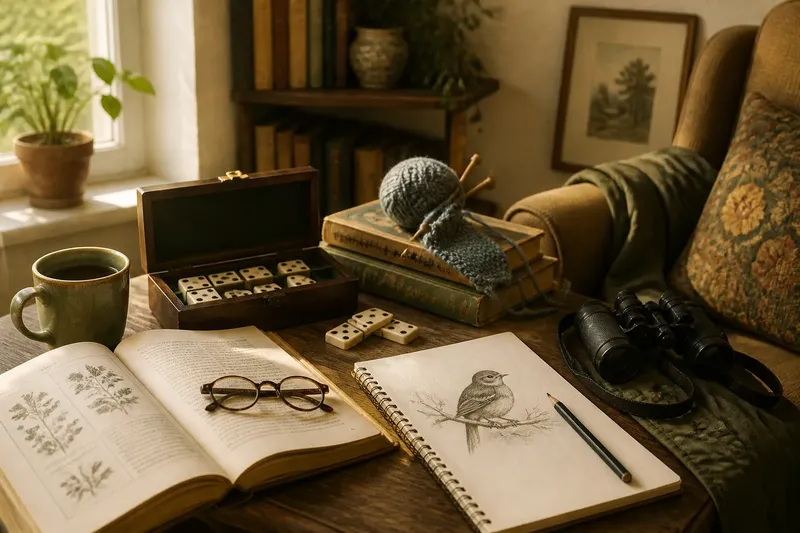
Portable tools and later digital media made some interests easier to carry between places or pursue independently. A library book, sketchpad, knitting needles, or birding app can support an activity without requiring a household gathering. Online groups can connect people with shared interests, though they also bring their own expectations about attention and participation.
Say someone inherits a box of dominoes but has no regular game night. They look up the rules in a library book, set the box beside a favorite chair, and play a short game when an evening opens up; the observable result is a family pastime adapted to one person’s schedule, without losing its social origins.
Pastime or hobby?
“Pastime” often emphasizes an occasion or a way of spending time, while “hobby” usually points to an interest someone returns to. The distinction is not a strict historical boundary: a shared pastime can be absorbing and personal, while a hobby can be communal.
The words do, however, highlight different arrangements. A pastime may depend on who is present and what the group wants to do. A hobby may be easier to fit around one person’s preferences and schedule, even if it later grows into a club or shared ritual.
Questions about leisure?
What counts as a hobby?
A hobby is generally an activity someone chooses to pursue for interest or enjoyment, often returning to it over time. It does not require special equipment, expert skill, a club, or a finished product.
Were pastimes always social?
No. People have long enjoyed solitary activities, including reading, craft, and quiet reflection. The historical contrast is about changing settings and opportunities, not a division between a wholly social past and a solitary present.
Can a shared pastime become personal?
Yes. Someone can learn a game independently, adapt a family recipe, or practice a shared craft on their own schedule. The activity can retain its communal roots while becoming part of an individual’s routine.
Does a hobby need to be productive?
No. A hobby may build a skill or make something, but its value does not depend on output. Curiosity, enjoyment, and the pleasure of returning to it are reasons enough.
Choosing a format
Shared and individual leisure are options, not rungs on a ladder. A group activity can make company and conversation part of the pleasure; a solo pursuit can offer more control over pace and timing.
Consider what the activity asks of your real schedule. A regular game night may suit someone who enjoys a planned gathering, while a sketchpad or library book may fit better into scattered free moments. A local library, community center, club, or app can help with learning or connection, depending on what the interest needs.
Leisure can shift with circumstances. Someone may start alone and later seek a group, or enjoy the group while keeping practice private. The history of leisure helps explain why both arrangements feel familiar; the right one is the one that fits the life you have now.